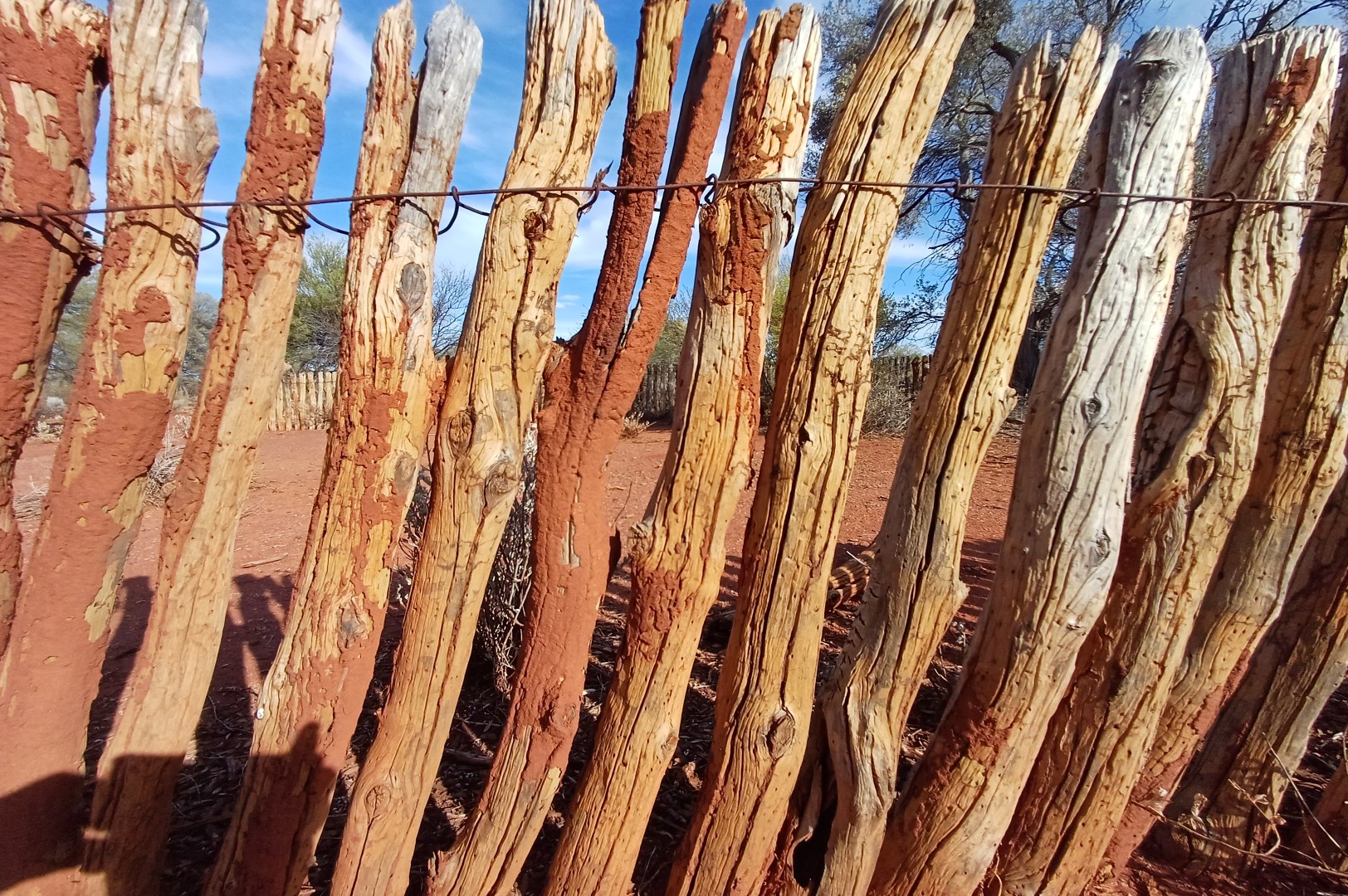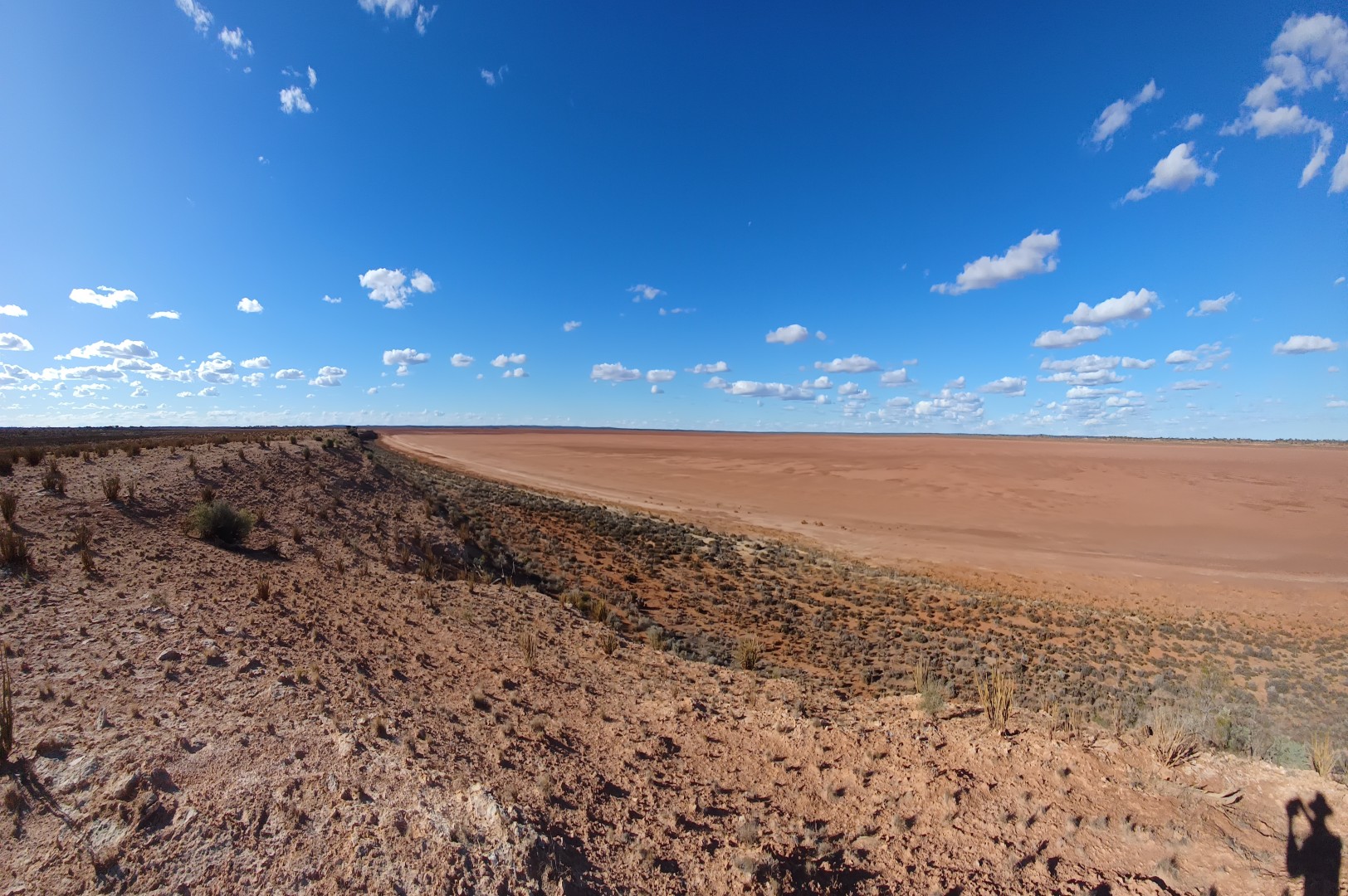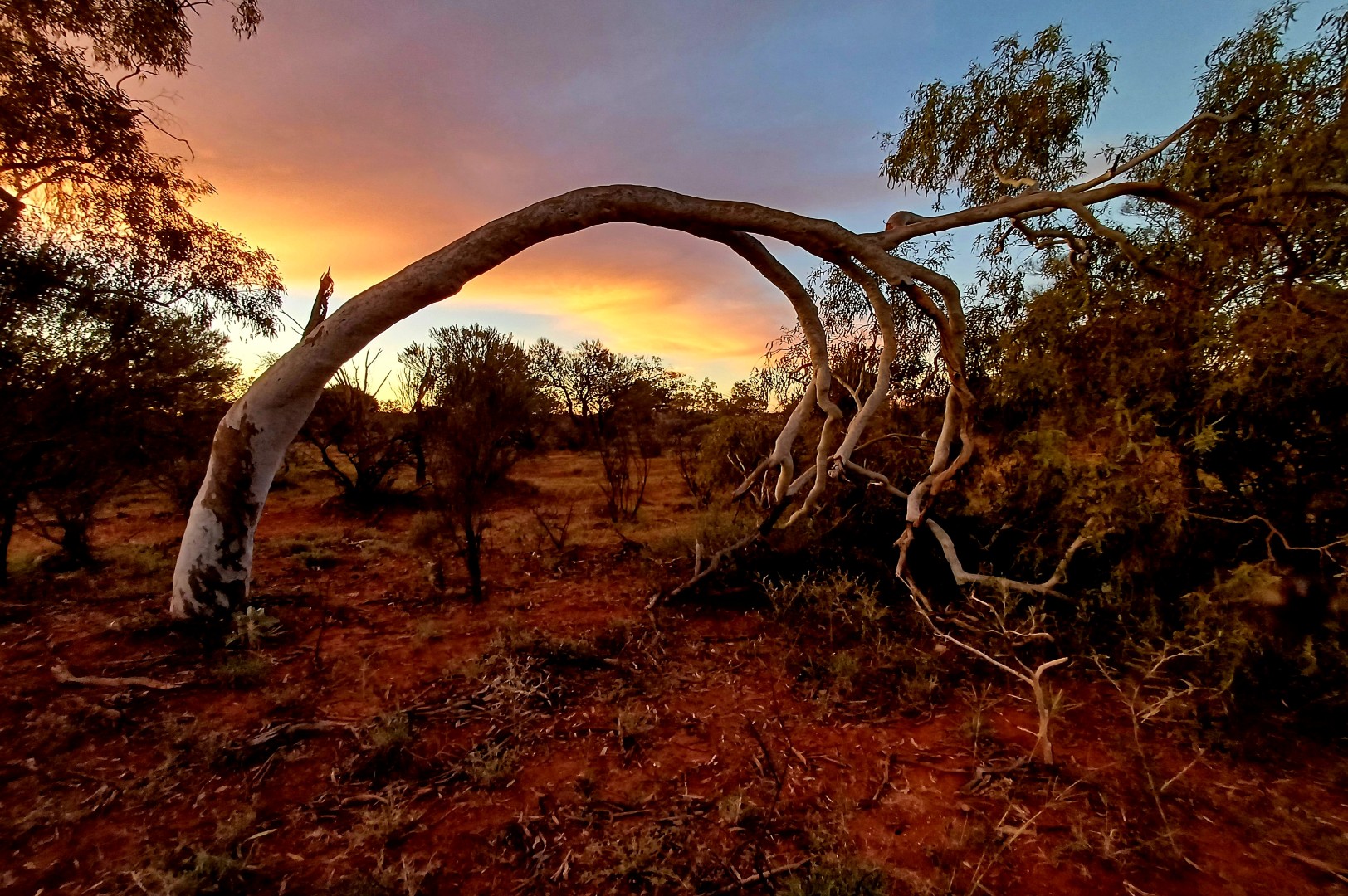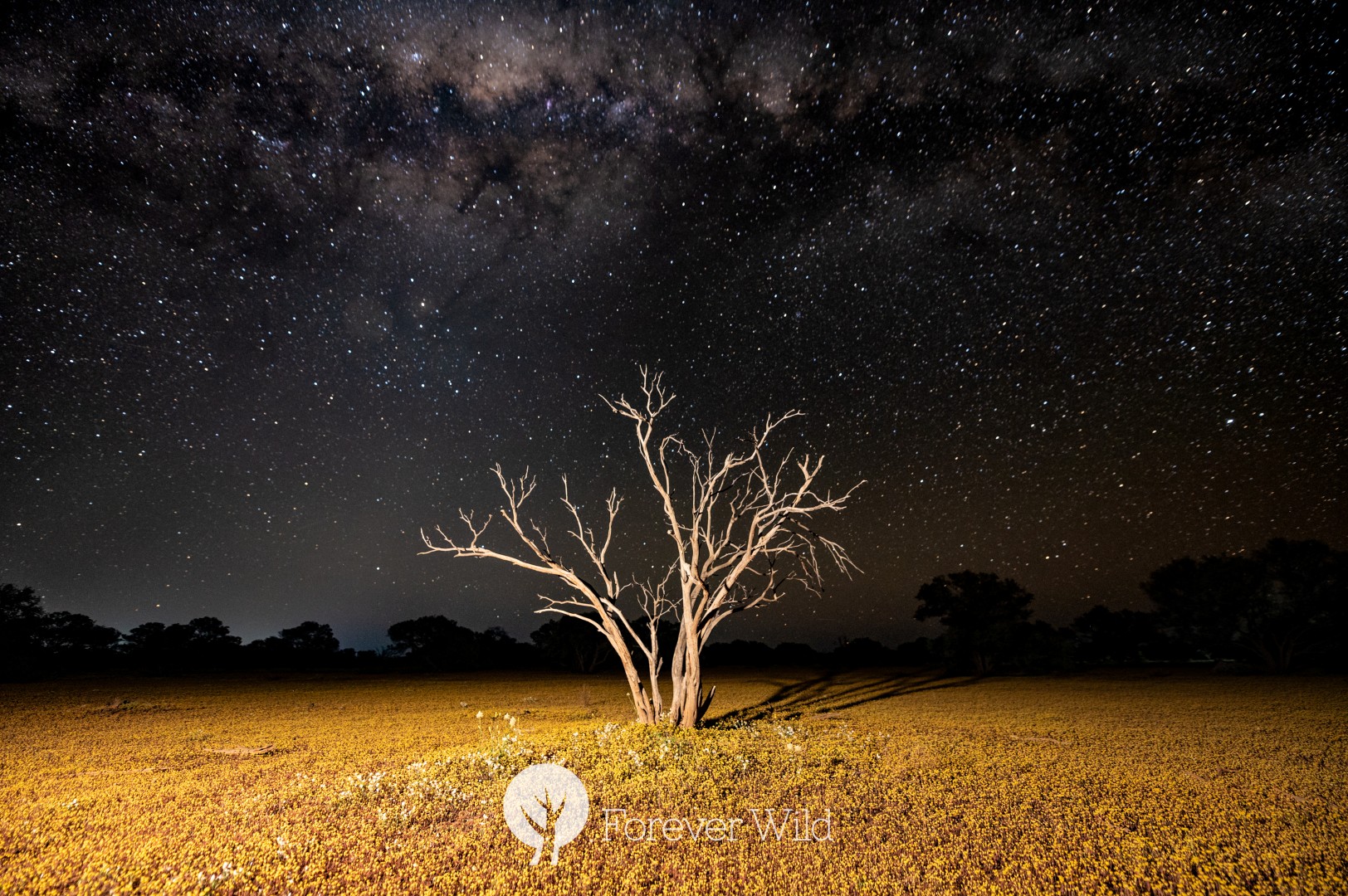
Meeline Station is situated adjacent to and north of Boodanoo. This remarkable property, 170,000 hectares in area, holds the vast majority of the Waigen Lake system, comprising a diverse mix of large freshwater and smaller saline lakes, red sand dunes, all fringed by mulga woodlands and saltbush plains.
These are places where venturing off the road requires careful preparation, and where our staff carry plenty of water and satellite communications at all times. There are few fences, and the emus and red kangaroos can move freely across thousands of square kilometres on Narndee, Boodanoo and Meeline, and adjacent reserves.
Narndee is home to Mallee Fowl, a threatened and very unique species, and we expect that, in time, new and exciting species will be discovered.
Wilderness Values
Meeline is very different to Boodanoo and Narndee, primarily comprising very large, contiguous lake country. These lakes can lie dormant for up to a decade before a large rain system drops enough water to bring them back to life.
Human Spirit
Like Narndee and Boodanoo, Meeline has a rich history of Indigenous and early settler history. Before Europeans arrived, the Badimia people walked these lands and knew every animal, rockhole and shelter.
The Morrissey family owned Meeline for 90 years, up until the Forever Wild Initiative took over stewardship for the land.
Biodiversity
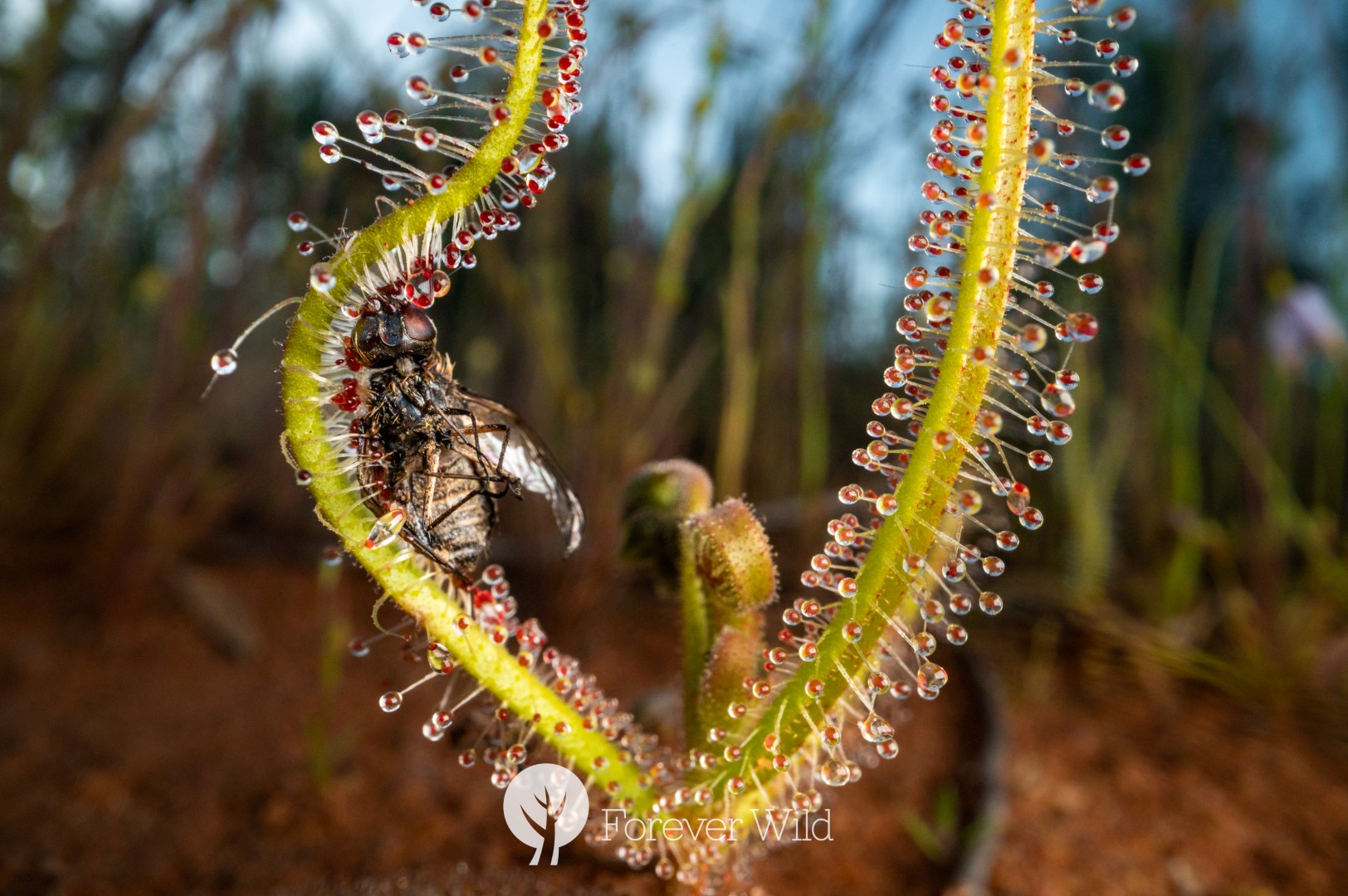
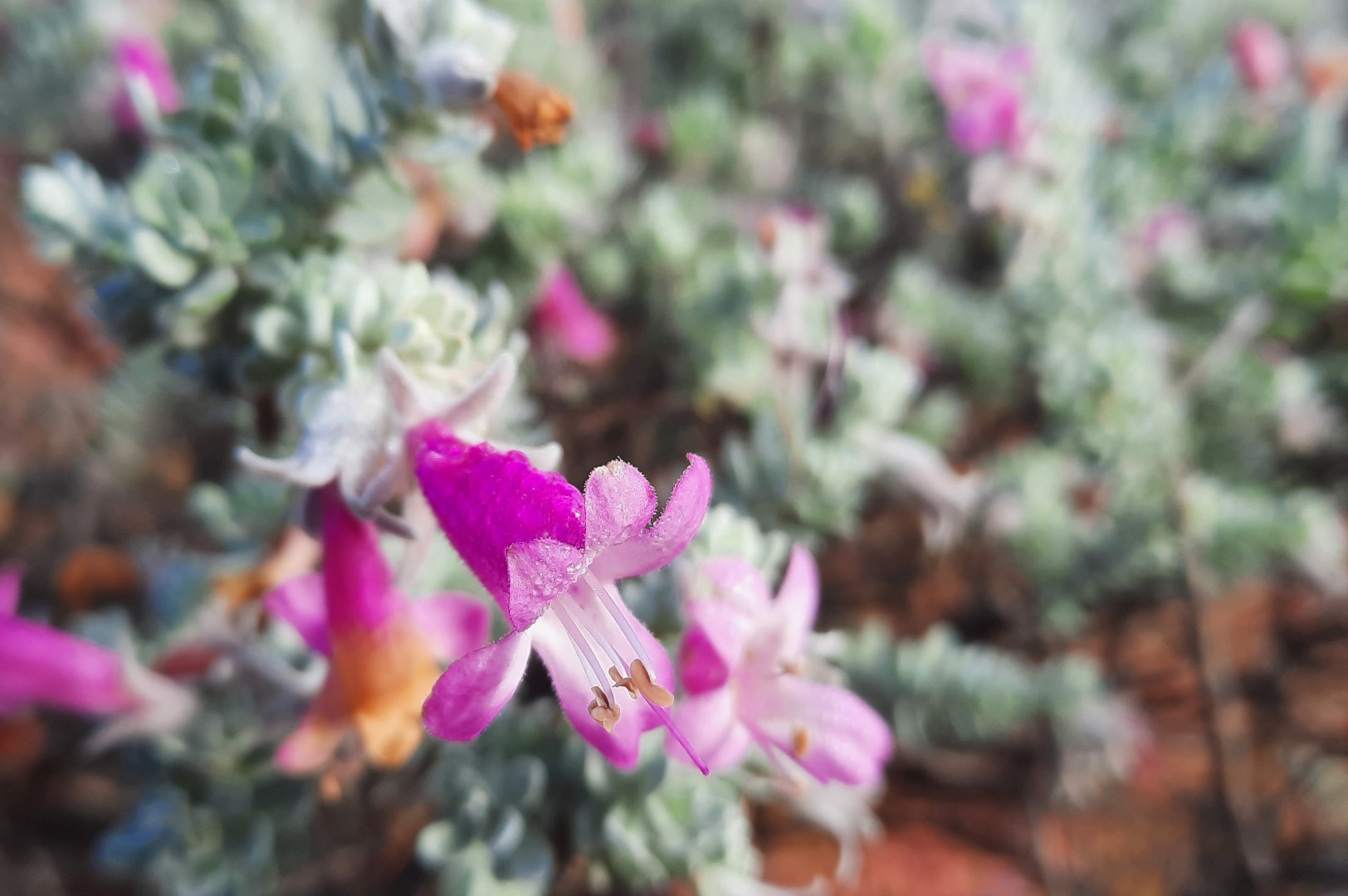
Meeline receives even less rainfall than Boodanoo and Narndee, but the subtle differences in the landscape due to this are apparent only to the trained eye. Yet, Meeline holds secret springs and hidden gorges where delicate plants thrive year-round.
Meeline's true glory becomes apparent when heavy rain falls approximately once every 10 years, and the cracked lake beds release the eggs of desert-adapted crustaceans, and waterbirds arrive in their thousands.
Wilderness Economies
The Forever Wild Initiative also runs low-impact agriculture across this station, with irregular grazing patterns mimicking the nomadic behaviour of large herbivores.